
.webp)









What Is Traffic Analytics?
Flock Traffic Analytics provides agencies with aggregate, de-identified roadway trends to support transportation planning, public safety, infrastructure decisions, and emergency preparedness.

Recently, there have been questions raised about Flock’s Traffic Analytics feature, which is a separate product from our LPR platform. Traffic Analytics was released in 2025 and is sold to law enforcement agencies, Departments of Transportation (DOTs) at the state, county, or city level, and to municipalities that want to better understand their roadways.
Traffic Analytics turns roadway observations into aggregate trends, without retaining license plate data or individual vehicle information in the analytics product. It uses Flock's existing camera infrastructure to produce traffic measurements that agencies can view in a dashboard or export for further analysis.
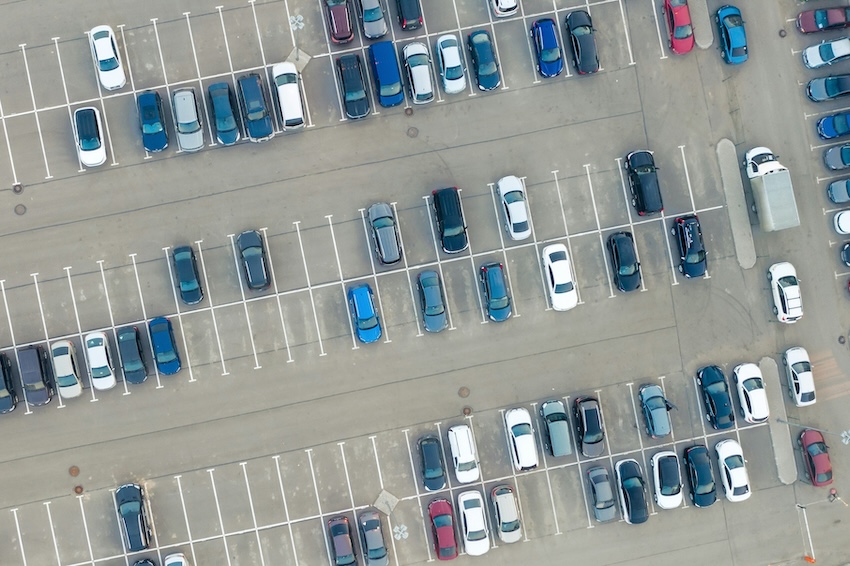
Why is this useful? DOTs and municipalities need this information for roadway planning, safety, economic analysis, and emergency planning. Here are a few examples:
- A city that typically sees an influx of tourists in the summer months needs to understand how many more vehicles are traveling on their roads so they can allocate additional law enforcement or plan when roadway improvements will be done.
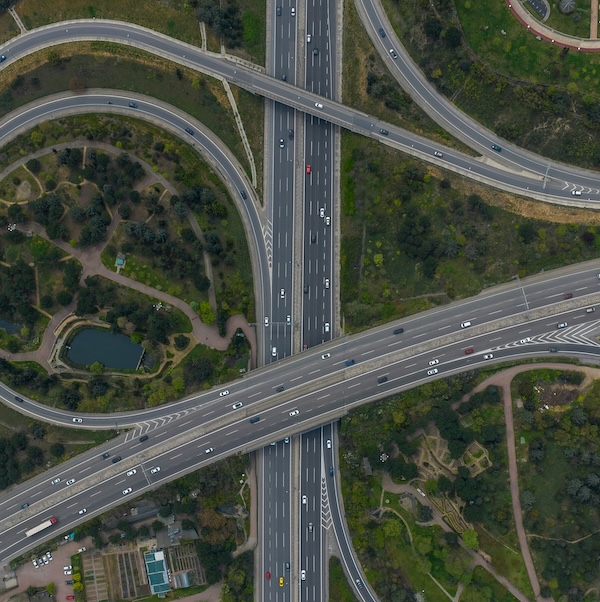
- Roadways with higher truck traffic might need more paving than roadways with more sedans and lighter weight vehicles.
- Cities that are preparing for large-scale events, like sporting events or concerts, may need to understand how much of their vehicle traffic is coming from out-of-state, so they can plan for an influx of visitors and not overwhelm their resources.
What does Traffic Analytics contain?
Traffic Analytics is not the same as LPR data. There are no individual vehicle records available in the analytics dashboard; what it shows is a statistical picture of a roadway.
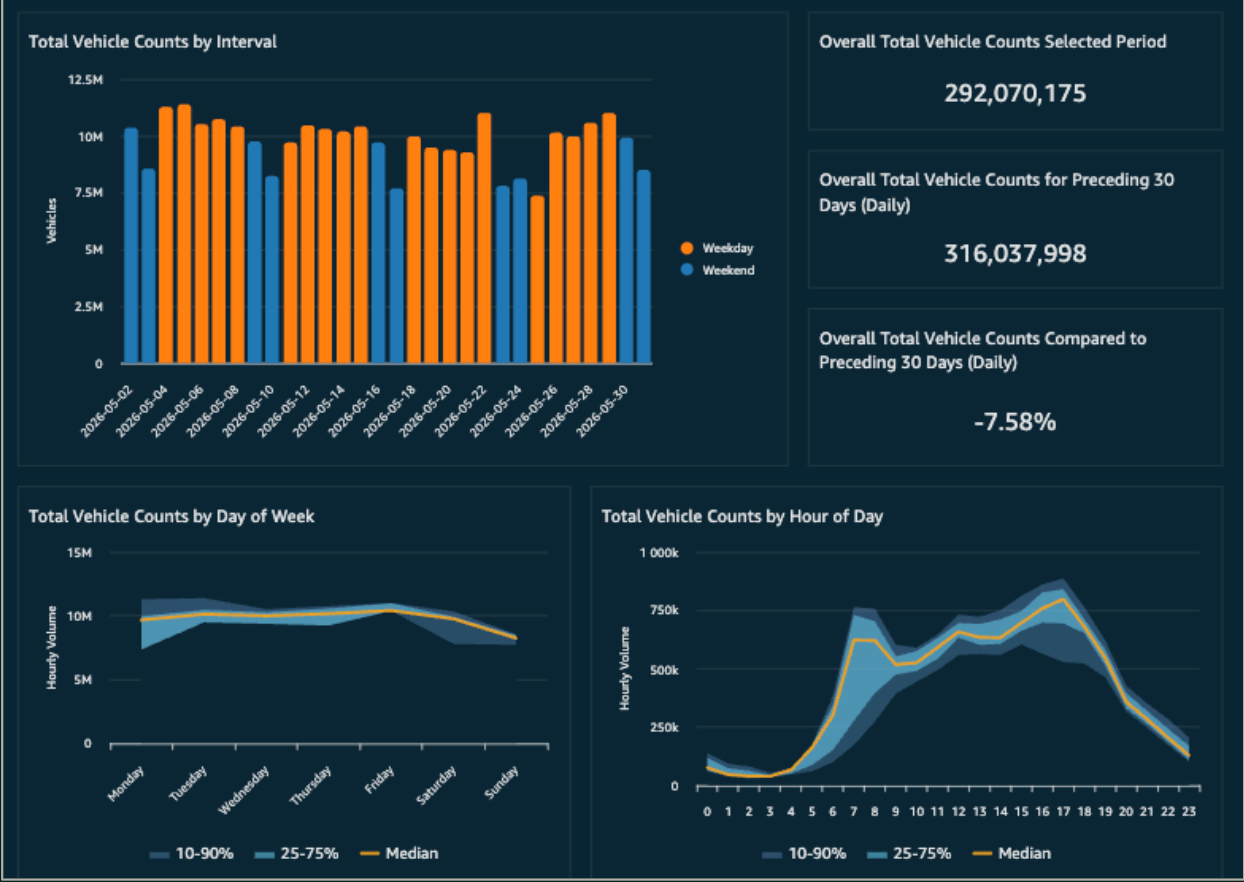
Traffic Analytics contains aggregate details like:
- Traffic volume: vehicle counts across 15-minute, hourly, daily, monthly, and annual intervals, as well as trends by time of day, day of week, or season.
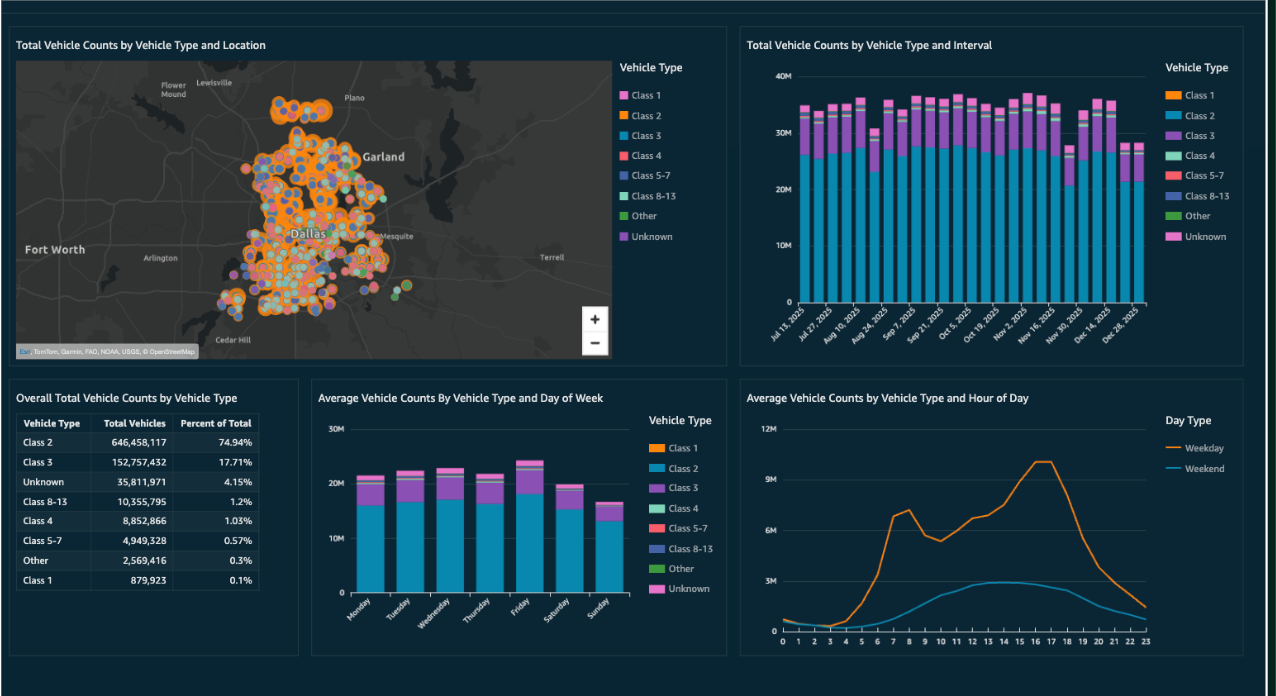
- Vehicle mix: aggregate counts using six categories, including passenger vehicles, buses, single-unit trucks and combination trucks.
- Roadway users and characteristics: aggregate information such as vehicle type and the share of vehicles registered in different states. The analytics do not reveal information about any one vehicle.
- Speed patterns: group-level statistics that help transportation professionals identify potential safety concerns and measure change over time.
Traffic Analytics does not contain LPR footage
A license plate recognition record is about one specific vehicle. It includes an image and details such as the plate, issuing state, vehicle make, color, body type, time and camera location. Flock LPR data can only be used for a legitimate public safety purpose and subject to the agency's policies.
The aggregated data in Traffic Analytics are broad metrics that illustrate trends that can be used by many departments beyond law enforcement, like DOTs, emergency planning, fire departments, and even economic planning offices. In many states, this information is required to be reported by those departments and is being collected through a variety of means, including manual counting and software products other than Flock.
Why is retention for Traffic Analytics often longer than LPR data retention?
Transportation decisions are often based on much longer-term trends, over the course of months or even years. A city may need to know whether traffic volumes changed after a road project, whether heavy-truck traffic shifted to neighborhood streets or whether a safety intervention reduced excessive speeds.
Historically, Traffic Analytics has retained the aggregate statistics for 5 years. That does not mean the LPR data it is derived from is retained for that amount of time – that is always deleted after the defined retention period. When an LPR record reaches the retention limit set for that customer, it is deleted.
Aggregate traffic totals may still be available to help an agency understand long-term patterns, but those totals cannot be used to retrieve a plate image or search for an individual vehicle.
Data remains under agency control
The agency that owns the source data also owns the Traffic Analytics derived from it and decides who may see it. A DOT, highway department, or other municipal partner does not receive access to this data without explicit permission from the owning agency. Flock does not sell the data.
How speed statistics work in Traffic Analytics and why they cannot be used for enforcement
Aggregate speed statistics are incredibly useful for safety purposes. Over 11,000 people die each year on roadways due to speeding. Many states require speeding metrics to be reported to the state DOT.
Flock Traffic Analytics summarizes speed observations of all of the vehicles that pass a camera in 15-minute groups. It reports metrics commonly used in traffic engineering, including average speed, 85th percentile speed, pace speed, speed differential, and the percentage of vehicles traveling over the posted speed limit.
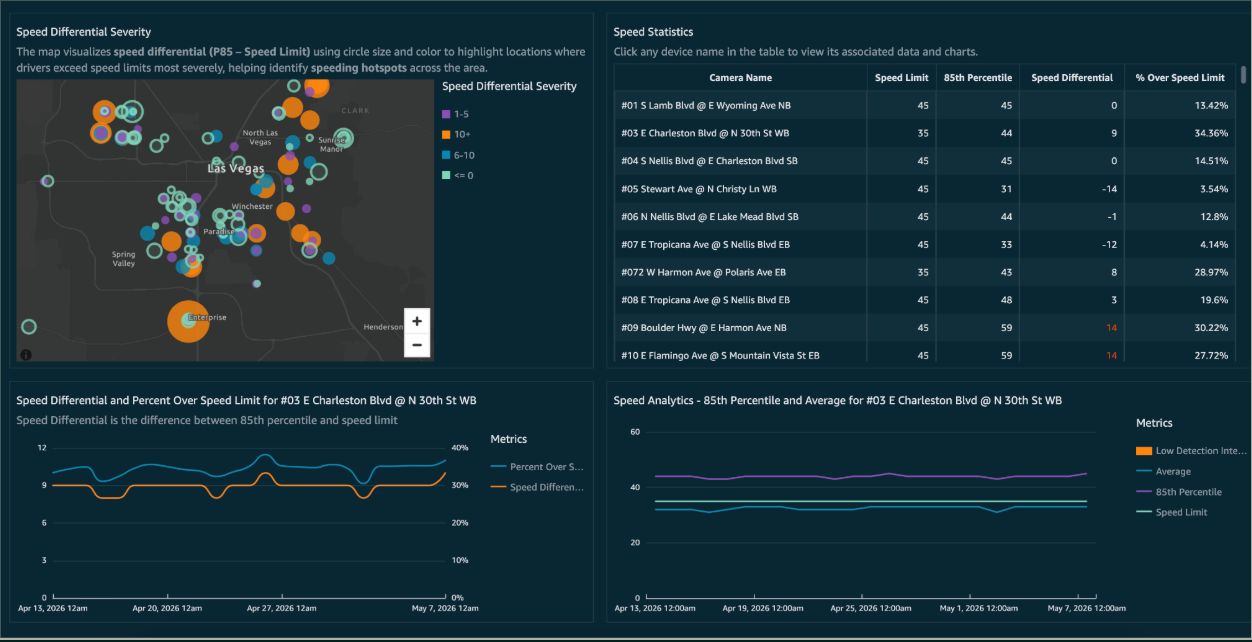
None of this can be used for traditional speed enforcement of an individual vehicle. Traffic Analytics does not store the speed of a single driver or identify any single vehicle’s speed. It stores and displays only de-identified statistics for the group.
This is because Traffic Analytics is a planning and safety tool, not a speed enforcement tool. It can show a particular roadway has a speeding problem, but not which vehicle was speeding.
No Flock products can be used for individual speed enforcement.


Protect What Matters Most.
Discover how communities across the country are using Flock to reduce crime and build safer neighborhoods.