
.webp)


.png)




How Flock Protects and Manages Data
Your local agency controls who can access information. It’s automatically deleted after a set time (often 30 days, depending on local law). And every search is logged so it can be reviewed.In plain terms: You decide who can use it. The system keeps a record.
We build privacy into the product from the start. We limit what’s collected, who can see it, and how long it’s kept.
That means: Fewer surprises. Clear rules.
What Is Allowed & What Is Not Allowed
Here are clear rules for how the system can be used, and limits on how it cannot.

Used for Public Safety Purposes
Public safety investigations
Authorized, case‑based workflows
Controlled by your local agency

Not Used for Watching People
Mass surveillance
Tracking of individuals
Use outside defined purposes
In plain terms: It’s for cases. Not for watching people.
How Data Is Collected & Managed
Our customers decide how the system is used and who can access it.
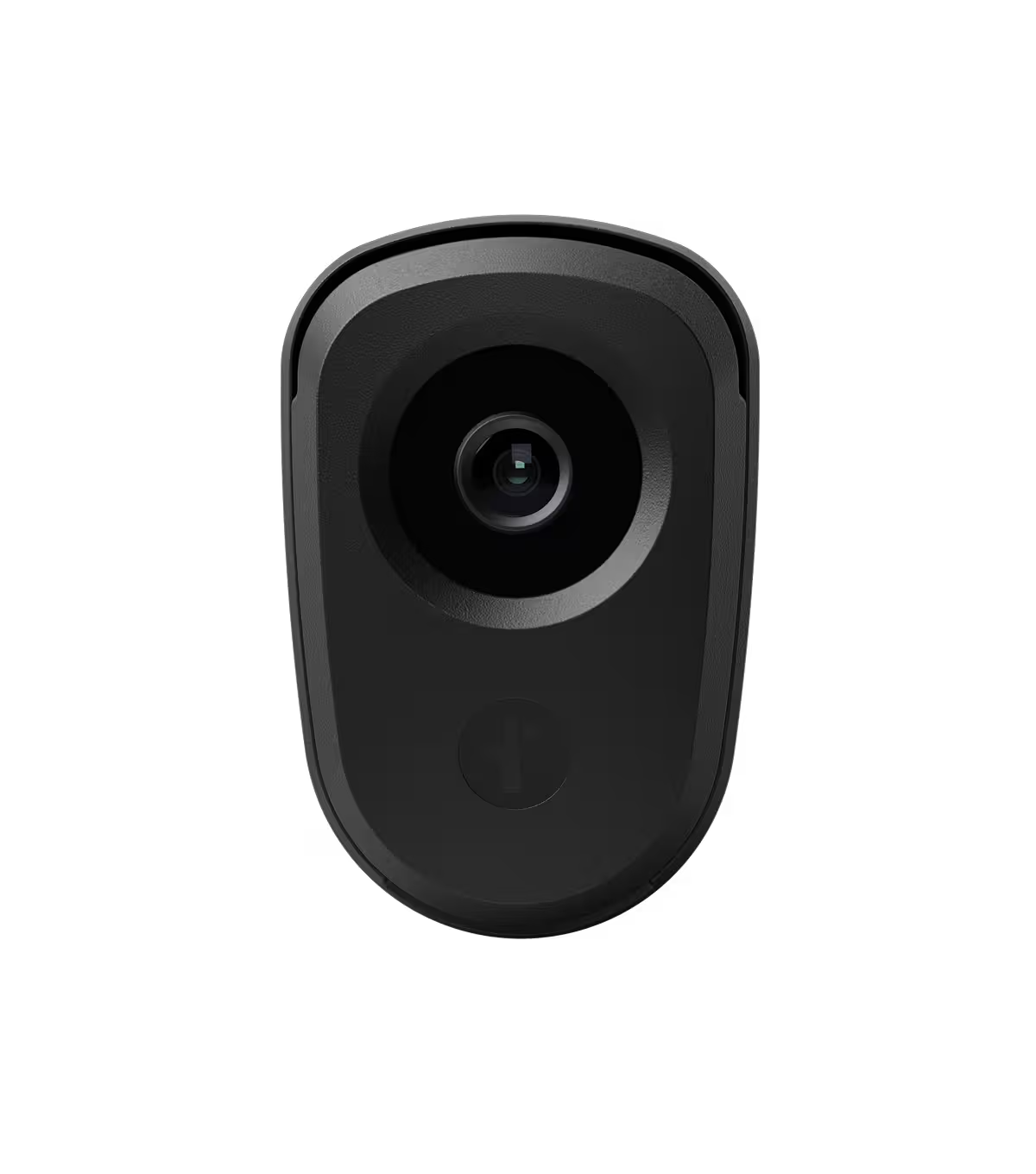
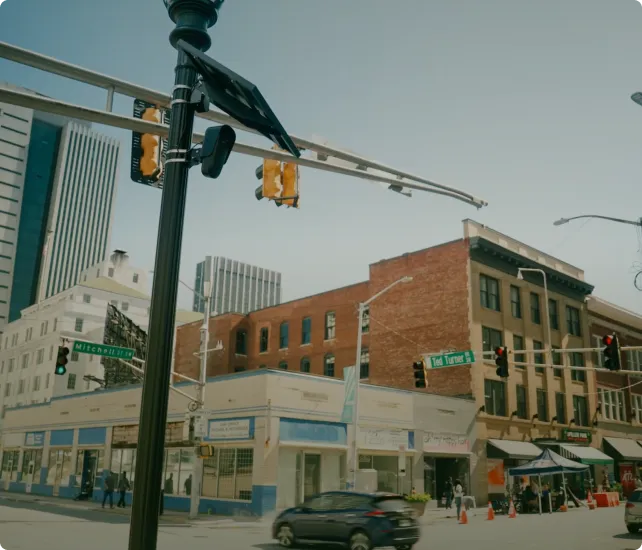
Data Captured by ALPR
License plate images
Vehicle characteristics
Date and time stamps
Camera location
Data Not Collected by ALPR
Biometric data
Driver information
Facial recognition data
That means: It captures vehicles. Not people.
How Long Is Data Stored, and Who Decides?
Images and footage are deleted automatically after a set period. In most communities, that’s 30 days unless local law says otherwise.
In plain terms: Data does not sit there forever.
Who Can Access Flock Data, and When?

Agency Controlled Access
Your local agency manages user accounts and assigns access based on job role. People get access only if they need it for their work. There’s no public database.
That means: No public browsing. No open access.

Recorded Search Activity
Every search is tied to a specific user and recorded in a log. Supervisors can review what happened and who did it.
In plain terms: Every search is logged.

Data Sharing Is a Local Choice
Our customers set sharing settings and policies. Nothing is shared unless they choose to share it.
That means: Nothing is shared unless our customers turn on sharing.
Controls Exist at Every Stage
We protect data from the moment it’s captured until it’s deleted. Only approved users can access it. Data deletes automatically after a set time. Data is encrypted on the device, during transfer, and when stored.
In plain terms: Protection isn’t just a promise. It’s built into each step.
Safeguards That Protect Data

Restricted
Only approved users in your local agency can access ALPR data. Permissions are based on job role.
That means: You decide who can use it.

Secure
Data is encrypted on-device, in transit, and when stored. System controls help prevent unauthorized access.
In plain terms: Data stays protected the whole time.

Accountable
Every search is recorded. Logs and review tools help agencies check usage and address misuse.
That means: Use is visible and reviewable.

Designed to Meet Recognized Standards
Mitigating Misuse
Clear limits and built-in controls help prevent misuse.

Purpose Limitation
Searches require a public-safety reason. That reason is recorded with the search so agencies can review how the system is used.
In plain terms: You can’t search “just because.”

Activity Log
If a search breaks policy, it can be reviewed and handled by the agency.
That means: Misuse can be spotted and addressed.
Security & Privacy Standards
Independent reviewers test our security controls against recognized industry standards.

SOC 2 Type II
Independently audited controls covering security, availability, and confidentiality.

ISO 27001
Information security management aligned with international standards.

Adherence to Key Privacy Principles
Built to focus on data minimization, purpose limitation, and transparency.
Frequently Asked Questions
No. It’s used for specific public safety investigations under rules set by your local agency. Only approved users can access it. Every access is recorded. Data deletes automatically after a set time (often 30 days unless local law says otherwise).
In plain terms: Not everyone, not all the time. Also, use is recorded.
Only approved users with role-based access set by your local agency. Every search is recorded and reviewable.
That means: No anonymous access.
Retention is set in advance, and the system deletes data automatically. In most communities, that’s 30 days unless local law requires otherwise.
In plain terms: Deletion is automatic.
No. The system does not use facial recognition. The ALPR system searches are based on vehicle details, not people.
That means: It can’t identify someone by their face.
Flock ALPR collects license plate images, vehicle characteristics, date and time stamps, and camera location identifiers.
Our program is reviewed against widely recognized standards including SOC 2 Type II and ISO 27001, with privacy principles aligned to ISO27701. These certifications cover security, availability, confidentiality, and data minimization principles.